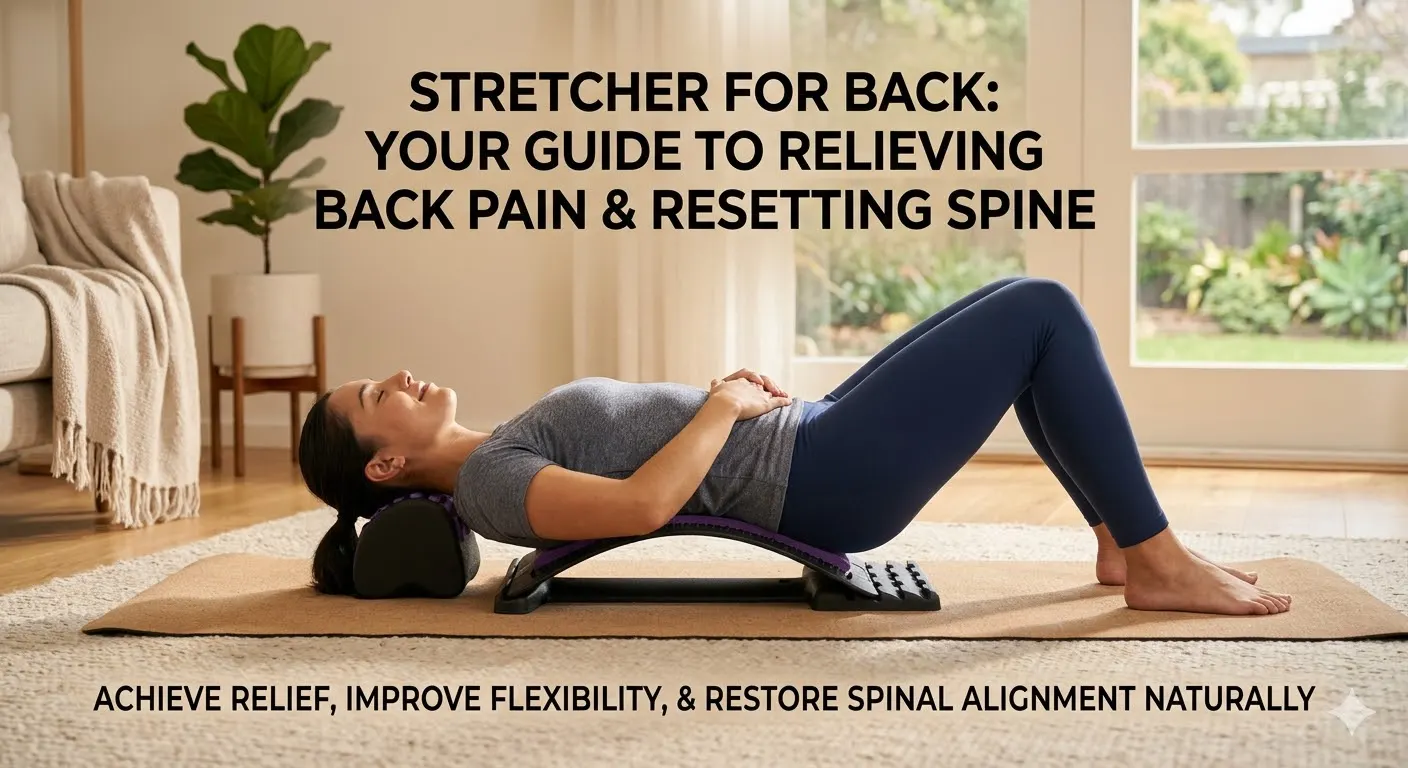
Stretcher for Back pain rarely begins with a loud warning. It slips in slow. One day you sit longer than usual. Laptop open. Coffee nearby. You promise yourself five more minutes. Hours pass. The spine keeps taking the weight. Days later something feels off. You bend down to touch your feet. A sharp pull hits the lower back. Not unbearable. annoying enough to ruin the morning. Many people live with this. Office workers. Students. Drivers. Even gym lovers sometimes.
That is where a stretcher for back becomes interesting. Small tool. Curved shape. Nothing high tech about it. Yet the concept behind it makes sense. Give the spine space again. The human back stays compressed most of the day. Sitting presses the vertebrae together. Muscles tighten around them trying to protect the area. Over time everything feels stiff.
A back stretcher pushes the body in the opposite direction. Slow extension. Gentle opening of the spine. Muscles start to release little by little. The first time feels odd. Body not used to it. Then something shifts. The back relaxes in a way it hasn’t for weeks.
What Is a Stretcher for Back
Picture a small curved platform placed on the floor. That is the idea behind a stretcher for back. You lie over it. The curve supports the spine. Vertebrae separate slight. Pressure begins to ease.
Nothing mechanical about it. body weight working with the curve of the device. Specialists often talk about spinal decompression when describing this movement. Sounds technical. Meaning is simple. The spine stretches.
Back muscles notice quick. Tight areas begin to loosen. Blood flow improves around the joints. People often describe the first session in a very simple way. They say the back finally felt stretched. Not dramatic relief. More of a slow unlocking.
How a Back Stretcher Works
The spine handles pressure well for short periods. Constant pressure causes trouble. Sitting keeps the lower back compressed. Discs flatten slight. Muscles contract to stabilize the spine.
Using a stretcher for back pain changes that pattern. You lean backward over the curve. The spine extends gent. Vertebrae create a little more space between them. Tiny change then the body reacts strong.
Muscles lengthen and nerves experience less pressure. Circulation of pressure improves around the spinal joints. Most people feel heat dispersing across the lower back during the stretch. That feeling means muscles are releasing tension.
Why People Start Using a Back Stretcher
Most stories begin the same way. Long workdays and too much sitting. Not enough movement. Someone wakes up stiff. They stretch their back a little. Relief lasts a few minutes then the discomfort returns.
Eventual they try a stretcher for back pain relief. People use these tools for several reasons. Lower back stiffness appears after long desk sessions. Posture begins collapsing forward during computer work. Muscles feel tight after gym training. Mobility slow decreases with age.
One physiotherapist once said something interesting during a small workshop. The spine needs movement more than strength. Many listeners stayed quiet after hearing that. The idea stayed in their mind.
Benefits of Using a Stretcher for Back
A back stretching device does not promise miracles. What it offers is gradual improvement. The benefits build over time when stretching becomes a daily habit.
Lower Back Pain Relief
Lower back pain affects an enormous number of adults across the world. A stretcher for back pain relief helps by reducing pressure around spinal discs. The vertebrae separate slight during the stretch. Nerves stop sense squeezed by surrounding tissue. Then pain fades slow instead of disappearing instant.
Many people notice mornings become easier first. Getting out of bed feels less stiff. That small improvement matters.
Posture Improvement
Modern posture looks rough. People lean toward screens all day. Shoulders roll forward. Neck angles downward toward phones. A back stretcher encourages the opposite position.
Chest opens and shoulders move backward. Spine returns toward its natural curve. The first few sessions feel strange. The body forgot that posture. With repetition the muscles begin accepting it again.
Increased Flexibility
Stiff backs limit movement. Turning sideways becomes uncomfortable. Bending forward requires effort.
Using a spinal stretcher for back helps restore flexibility. lengthening the muscles surrounding the spine. Athletes appreciate this effect. Mobility protects joints from injury during physical activity.
Reduced Muscle Tension
Muscles around the spine behave like protective cables. When discs compress these muscles tighten.
A back decompression stretcher encourages those muscles to release gradual and nothing forced. The stretch simple invites relaxation.
Long Term Spinal Health
Daily stretching keeps the spine mobile. People who never stretch often develop chronic stiffness as years pass. A stretcher for back support introduces a small routine that protects spinal movement. Five minutes sometimes changes the entire day.
Types of Back Stretchers
Back stretchers come in several forms. Each one stretches the spine in a slight different way. Some stay small and portable. Others fill half a room.
Lumbar Back Stretchers
This design appears most often in homes. A small curved frame placed under the lower back. Adjustable arches allow beginners to start gent.
Some versions include raised nodes that press light into the muscles during stretching. Easy to store. Easy to carry. Many people keep one near their desk or bed.
Inversion Tables
This equipment flips the body upside down. Gravity pulls the spine downward creating a deeper decompression stretch. Athletes sometimes use inversion sessions after heavy lifting.
Everyone does not enjoy hanging upside down though. Some people feel faint or uncomfortable. Personal liberality varies.
Foam Roller Stretching
Foam rollers attach stretching with massage. You move slow along the roller while the spine curves over it. Muscles release tension through gentle pressure. Gym trainers often recommend foam rolling for recovery days.
Stretch Wheels
Stretch wheels appear frequent in yoga studios. A circular wheel supports the spine during deep extension stretches. The chest expands wide during this movement.
Breathing becomes deeper as the rib cage opens. Many yoga practitioners swear by this stretch.
Using a Stretcher for Back Correct
Technique matters more than the device itself. Using a stretcher for back pain should feel calm and controlled. Place the stretcher on the floor. Sit direct in front of it. Lean backward slow until the spine rests over the curve.
Pause there.Let the body relax into the shape and breathing helps. Slow breaths encourage muscles to soften.Stay in position for a few minutes.
Beginner Advice
First sessions should remain gentle. Beginners often try the highest stretch level immediately. That approach rarely works well, start small.
Use the lowest arch. Stretch only a few minutes. Allow the back to adapt gradual. Tolerance secures the spine.
Common Mistakes
People reduce the benefits without khowing it. Stretching on a soft mattress prevents proper support. Jumping direct into deep arches strains the muscles. Ignoring sharp pain creates risk.
Breathing also matters. Many beginners hold their breath during the stretch. Muscles tighten when breathing stops. Slow breathing allows the stretch to work proper.
Who Benefits From a Back Stretcher
Certain lifestyles place constant pressure on the spine. Office workers often feel the greatest relief. Long hours of sitting compress the lumbar region every day.
Athletes benefit as well. Stretching restores mobility after heavy workouts. People with mild chronic stiffness notice improvement when stretching becomes consistent. Posture problems respond especially well.
Who Should Avoid Back Stretchers
Not everyone should use a stretcher for back stretching. Individuals with severe spinal injuries should avoid it. Recent back surgery requires medical guidance before stretching. Advanced disc problems also need professional advice.
Pregnancy sometimes limits spinal extension depending on individual conditions. Medical consultation becomes important in these situations.
Choosing the Best Stretcher for Back
Quality affects safety. Strong materials support body weight without bending. Adjustable arches allow gradual stretching progression.
Padding can improve comfort for longer sessions. Stable bases prevent slipping during use. A well built stretcher for back support lasts a long time. Cheap versions often crack under pressure.
Exercises That Work With Back Stretching
Back stretchers work better when combined with movement. Certain exercises complement spinal stretching natural.
Cat cow movement increases spinal mobility through controlled motion. Child pose relaxes the lower back deep. Knee to chest stretch reduces tension around the lumbar area. Pelvic tilts strengthen muscles that support the spine.
a few minutes of these movements improves flexibility across the entire back.
How Often to Use a Stretcher for Back
Consistency brings real benefits. Beginners usually start with short daily sessions. Three to five minutes works well at first.
As the spine adapts sessions may increase to ten minutes or slight longer. Long sessions are rarely necessary. Small daily stretches keep the spine mobile.
A Short Story From Daily Life
A software developer once described his routine. Eight hours coding every day. Sometimes more during deadlines. Lower back stiffness slow became normal. He began using a stretcher for back pain relief in the evening. five minutes before sleep.
Three weeks later he noticed something unexpected. Morning stiffness disappeared. His sitting posture improved without thinking about it. The back simple felt lighter. No complicated therapy. consistent stretching. Deltaplex News
Are Back Stretchers Safe
For most healthy individuals the answer is yes. A stretcher for back support provides gentle decompression when used correct. Still the body sends signals when something feels wrong.
Sharp pain should stop the session immediately. Tingling down the legs may say nerve pressure. Sudden numbness requires attention. Listening to the body prevents injury.
Final Thoughts on Stretchers for Back
Modern life compresses the spine constant. Chairs hold people in fixed positions for hours. Phones pull the head forward. Muscles adapt to that posture without permission. A stretcher for back offers a small correction to that routine.
Few minutes. Quiet stretch. Spine opens slow. Over time muscles relax more easy. Movement feels natural again. Posture improves without forcing the body. Sometimes the back only needed a little space.








1 thought on “Stretcher for Back Guide to Relieving Back Pain and Resetting ”