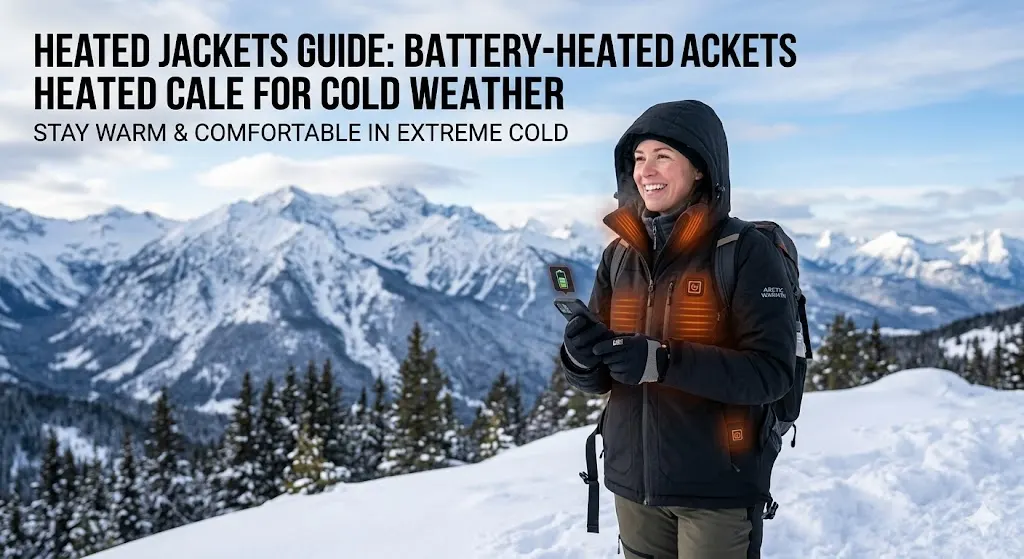
Heated Jackets step outside in winter and the wind hits first. Your shoulders tense. Hands disappear into pockets. Five minutes later you start wishing you had worn something thicker.
Traditional winter coats try to trap heat. That works… sometimes. But stand still long enough and the cold wins. Always does.
Heated jackets changed the rules. Instead of waiting for your body to warm the fabric, the jacket produces its own heat. Press a small button. Warm panels wake up inside the lining. Heat spreads across your chest and back. Fast. The difference feels strange the first time. Almost like standing near a small heater you can wear.
A few winters ago someone testing a heated jacket. During a mountain trip described it like this: “Everyone else kept adding layers. I turned the heat up.
That explains why battery heated jackets keep growing in popularity. Workers use them during long shifts outside. Skiers wear them on frozen slopes. Hunters rely on them while waiting for hours in silence. Even people walking their dogs early in the morning have started wearing them.
What Is a Heated Jacket?
A heated jacket looks ordinary from the outside. Zip front. Pockets. Hood sometimes. Nothing unusual.
Inside though… things change.
Thin heating panels run through the lining. Usually carbon fiber. Flexible material. Strong enough to bend with the jacket. When electricity flows through those panels they produce heat.
A rechargeable battery powers the system. The battery hides inside a pocket. Small.
Tap the control button. Heat begins almost immediately.
Some jackets warm only the back and chest. Others include extra panels around the collar or even inside the pockets. Depends on the design.
Key Components Inside Battery Heated Jackets
Most heated jackets share a similar internal layout.
- Rechargeable lithium battery
- Carbon fiber heating panels
- Heat control button
- Internal wiring system
- Insulated outer shell
- Charging cable
All these pieces work together quiet. No noise. No vibration. warmth spreading through the lining.
Where Heated Jacket Panels Sit
Manufacturers place heating panels where the body loses heat fastest.
Heating AreaReasonUpper backMaintains core warmthChestProtects lungs and torsoLower backSupports circulationCollarWarms the neck areaPocketsKeeps hands warm
Three heating zones is common. Some premium heated jackets include five or seven zones.
More panels. More warmth coverage.
How Heated Jackets Work
The science behind heated jackets isn’t complicated. Electricity moves through a material that resists the flow slightl. That resistance creates heat. Same principle used in space heaters and electric blankets.
Carbon fiber panels make the system possible. They stay thin and flexible while still producing warmth.
The battery sends power through small wires hidden in the jacket lining. The heating elements warm up. Temperature rises slow but steady.
Feels natural. Not harsh like a heater blowing hot air.
Internal System Overview
ComponentJobLithium batterySupplies powerHeating panelsProduce heatControl buttonChanges heat levelsWiringMoves electricity safe
The wiring sits between layers of fabric. Protected. You don’t notice it while wearing the jacket.
Temperature Settings
Most include three levels.
SettingApproximate TemperatureLow95°F to 105°FMedium110°F to 120°FHigh125°F to 140°F
The button often glows in different colors. Blue. White. Red.
Easy to remember even while wearing gloves.
Battery Life
Battery runtime depends most on the heat setting.
Heat LevelAverage RuntimeHigh3 to 4 hoursMedium5 to 7 hoursLow8 to 10 hours
Some larger batteries stretch beyond 12 hours on the lowest setting.
Interesting detail. Many heated jacket batteries double as portable phone chargers.
Unexpected bonus.
Benefits of Heated Jackets
People expect warmth. Obvious.
The real advantages go deeper.
Instant Warmth
Traditional jackets rely on body heat. Your body warms the insulation first. That takes time.
It skip the waiting. Turn the heat on and the warmth spreads across your torso. Quick. Comfortable.
Less Bulk
Winter layering gets annoying fast.
Thermal shirt. Sweater. Hoodie. Heavy coat.
Movement becomes stiff. Arms feel restricted.
A heated jacket replaces several layers at once. Lightweight outer shell. Warm interior panels. Freedom to move.
Outdoor Comfort
Outdoor activities in winter often involve long exposure to cold air.
Common situations:
- Skiing
- Snowboarding
- Ice fishing
- Winter hiking
- Snowmobiling
- Motorcycle riding
A heated jacket keeps core temperature stable. That helps the entire body stay warm longer.
Core Temperature Support
The body protects vital organs first. When the torso stays warm, circulation improves throughout the body.
Hands stay warmer. Feet too.
Small change. Big difference.
Types of Heated Jackets
Not all serve the same purpose.
Design varies depending on how the jacket will used.
Lightweight Heated Jackets
These jackets focus on mobility and daily wear.
Thin outer shell. Moderate insulation. Flexible materials.
Perfect for everyday winter use.
Examples include:
- walking through the city
- commuting to work
- outdoor events
- casual winter travel
Heavy Duty Heated Work Jackets
Outdoor workers face brutal conditions sometimes.
Cold wind. Long shifts. Physical labor.
Heavy-duty heated jackets include reinforced stitching and thicker materials. Extra insulation helps keep warmth while the heating panels stay active.
Workers in these industries often rely on them:
- construction crews
- utility repair teams
- warehouse staff
- delivery drivers
Durability becomes the priority.
Heated Motorcycle Jackets
Motorcycle riders deal with extreme wind chill. Air rushing past at highway speed strips away body heat quick.
Motorcycle heated jackets usually include windproof materials and extended sleeves. Some connect direct to the motorcycle’s electrical system.
Unlimited heat while riding.
Heated Ski Jackets
Ski jackets must balance.
Warm. Waterproof. Breathable.
Ski-specific heated jackets include ventilation zippers and snow skirts. Heat panels warm the core while moisture escapes during physical activity.
Important Features in the Best Heated Jackets
Choosing the right heated jacket means paying attention to details.
Battery Capacity
Battery size determines how long the heating system runs.
Capacity appears in milliamp hours.
Battery SizeAverage Heat Duration5000 mAh4 to 6 hours7500 mAh6 to 8 hours10000 mAh8 to 12 hours
Larger batteries last longer but weigh slight more.
Heating Zones
Heating zones determine how even warmth spreads across the body.
Common configurations include:
- 3 zone heating
- 5 zone heating
- 7 zone heating
More zones usually create better warmth distribution.
Weather Resistance
Wind and moisture make cold weather worse.
Heated jackets often use softshell fabrics or polyester insulation with water resistant coatings. These materials block wind while preventing light rain from soaking through. Stretcher for Back pain
Temperature Controls
Simple controls matter when fingers are cold.
Good include easy-access buttons and clear LED indicators. Adjusting temperature takes only a second.
Washable Design
Cleaning heated jackets requires removing the battery first.
Basic washing process:
- Remove battery pack
- Disconnect internal cable
- Use gentle wash cycle
- Air dry completely
Who Uses Heated Jackets
Different people rely on heated jackets for different reasons.
Outdoor Workers
Cold weather slows workers down. Makes hands stiff. Muscles tighten.
Workers in these fields often benefit:
- construction
- delivery services
- maintenance crews
- warehouse operations
Warm core temperature improves comfort during long shifts.
Winter Sports Enthusiasts
Skiers and snowboarders often face freezing mountain air for hours.
A heated jacket keeps the body warm between runs. Helps prevent muscle stiffness caused by cold.
Performance stays steady.
Hunters and Fishermen
Long hours of waiting in cold environments.
Minimal movement.
Body heat fades quick.
Maintain steady warmth without heavy layering.
Cold Sensitive Individuals
Some people simple feel cold more easy.
Poor circulation. Lower body fat. Medical reasons sometimes.
A heated jacket helps regulate warmth consistent throughout the day.
Small device. Huge comfort improvement.
Heated Jacket Safety and Maintenance
Modern heated jackets include built-in safety protections.
Electrical systems remain insulated inside the fabric layers. Temperature regulators prevent overheating.
Technology improved a lot over the past decade.
Are Heated Jackets Safe
Yes. Most reputable models include protection features.
Typical safety systems include:
- temperature regulation sensors
- insulated wiring
- automatic shut-off systems
- battery protection circuits
These systems prevent overheating or electrical faults.
Washing a Heated Jacket
Cleaning requires a few careful steps.
- Remove battery pack
- Seal connectors
- Use gentle wash cycle
- Let the jacket air dry
Avoid high heat dryers.
Battery Care
Lithium batteries last longer with proper handling.
Helpful habits include:
- avoiding complete discharge
- storing batteries in moderate temperatures
- charging occasion during long storage periods
Battery health improves over time with careful use.
Heated Jackets vs Traditional Winter Jackets
The differences become clear once you compare them.
FeatureHeated JacketsTraditional JacketsHeat sourceElectric panelsBody heat insulationWarm up speedInstantSlowTemperature controlAdjustableFixedWeightLightweightOften bulkyExtreme cold performanceStrongLimited
Traditional winter jackets still work well in mild cold conditions.
Heated jackets perform better when temperatures drop sharple.
Choosing the Best Heated Jacket
Buying a heated jacket involves balancing several features.
Important factors include battery capacity, heating zones, weather resistance, and over all comfort.
Quick evaluation checklist helps.
- battery runtime
- number of heating panels
- fabric durability
- insulation level
- fit and mobility
- warranty support
A good heated jacket should feel natural to wear.
Comfort first. Technology second.
Frequent Asked Questions About Heated Jackets
Are heated jackets worth it
For people who spend long hours outside in winter, the difference is noticeable. Consistent warmth improves comfort dramatic.
Can heated jackets worn in rain
Many heated jackets resist light rain and snow. Heavy storms still must proper waterproof outer layers.
Can heated jackets overheat
Most models include built-in safety systems that regulate temperature automatic.
How warm do heated jackets get
Typical temperature ranges fall between 95°F and 140°F depending on the heat level.
Final Thoughts
Cold weather changes how people move. Shoulders rise. Steps shorten. You rush indoors faster.
Heated jackets interrupt that pattern.
Instead of fighting the cold with layers, the jacket produces heat direct. Simple system. Small battery. Carbon panels hidden inside the fabric.








1 thought on “Heated Jackets Guide Battery Heated Jackets Cold Weather”